'/%3e%3cpath%20d='M78%20138c17-21%2035-32%2053-39'%20fill='none'%20stroke='%23F6F4EF'%20stroke-width='6'%20stroke-linecap='round'/%3e%3c/svg%3e)
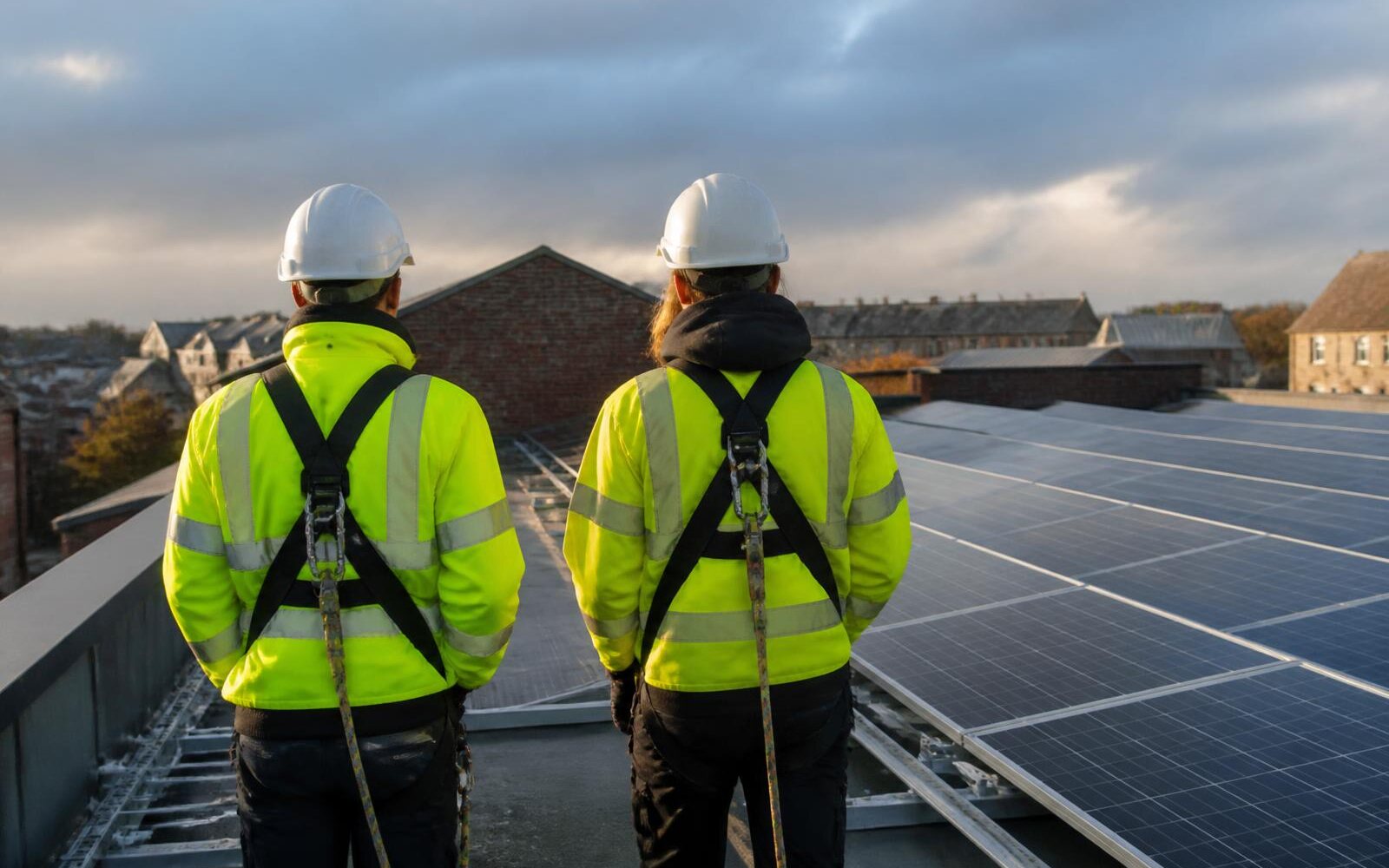
Illustrative example · Typical East Midlands distribution unit
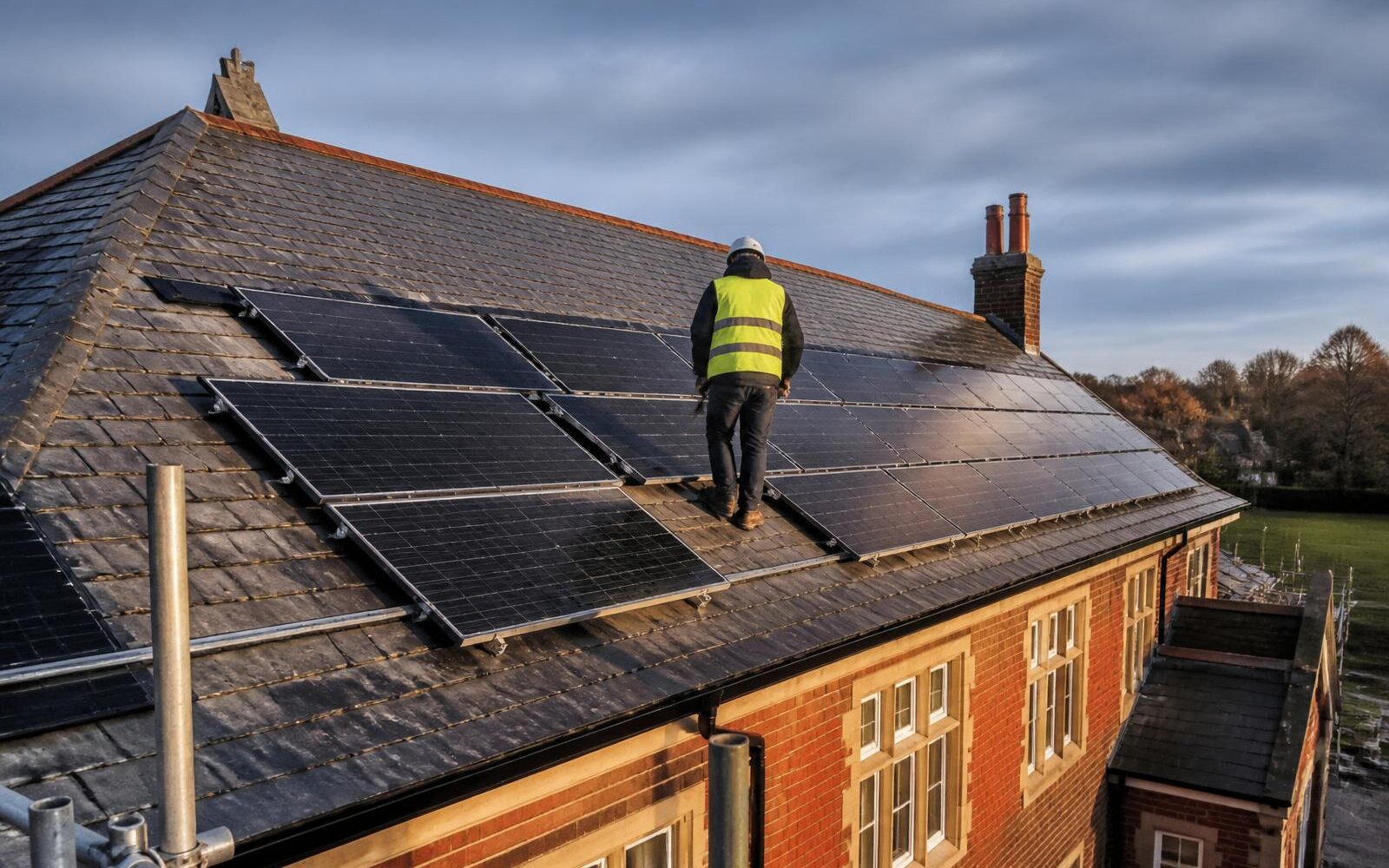
Rooftop solar on a working warehouse
A worked example showing how roof-mounted PV is sized and phased on an operational unit so the business keeps trading throughout.
Illustrative worked example
This is not a real client project. Every figure below is modelled from the stated assumptions to show how a system is sized and delivered — it is not measured data, not a quotation and not a performance guarantee. Verified client write-ups and independent reviews will be published here as they are signed off.
The brief
What the client needed
A distribution business wants to cut daytime import costs without disrupting operations or committing to a system the roof cannot carry.
How we approached it
- Structural review of the roof build-up and purlin spacing before any layout is drawn.
- Array sized to daytime base load rather than to the maximum panel count the roof would take.
- Phased install by an MCS-certified partner installer so the unit keeps trading throughout.
- DNO application and commissioning documentation handled by us as part of the contract.
Outcome
In this worked example the array covers the majority of weekday daytime demand, with the surplus exported. On a real site the final design follows the structural survey, half-hourly consumption data and the DNO's connection offer.
Project figures
- System size
- 150 kWp (modelled)
- Source: Illustrative model — not a measured result
- Annual generation
- ≈ 135,000 kWh/yr (modelled)
- Source: Illustrative model — not a measured result
- Self-consumption
- ≈ 70% (modelled)
- Source: Illustrative model — not a measured result
- Simple payback
- Typically modelled in years, site-specific
- Source: Illustrative model — not a measured result
These are modelled figures for a worked example, not measured results from a completed installation. Figures for your own site come from the survey.
What this example assumes
This write-up is a worked example built from standard engineering assumptions. It is not a real client project and no figure on it is a measured result.
- South-facing profiled metal roof at a shallow pitch, minimal shading, East Midlands irradiance.
- Around 900 kWh generated per kWp per year before degradation.
- Weekday operation with a steady daytime base load absorbing most of what is generated.
- No allowance made for roof strengthening, asbestos, reinforcement or grid reinforcement costs.
Read this first
Eligibility and figure caveats
These apply to everything published on this page.
- This is an illustrative model, not a quotation and not a performance guarantee.
- Commercial capital allowances depend on the client's tax position and profitability. Confirm treatment with your accountant before relying on any figure.
- Export arrangements and the tariff paid vary by supplier and are not guaranteed to remain at any rate quoted at the time of installation.
- Grid connection capacity is decided by the DNO and is assessed per site.
Your result will differ
Every figure here relates to this building, this tariff and this pattern of use. Grant schemes, export rates and tax treatment change, and eligibility is confirmed at application by the certified installer or the funding body — not by this page.
More work
Other projects
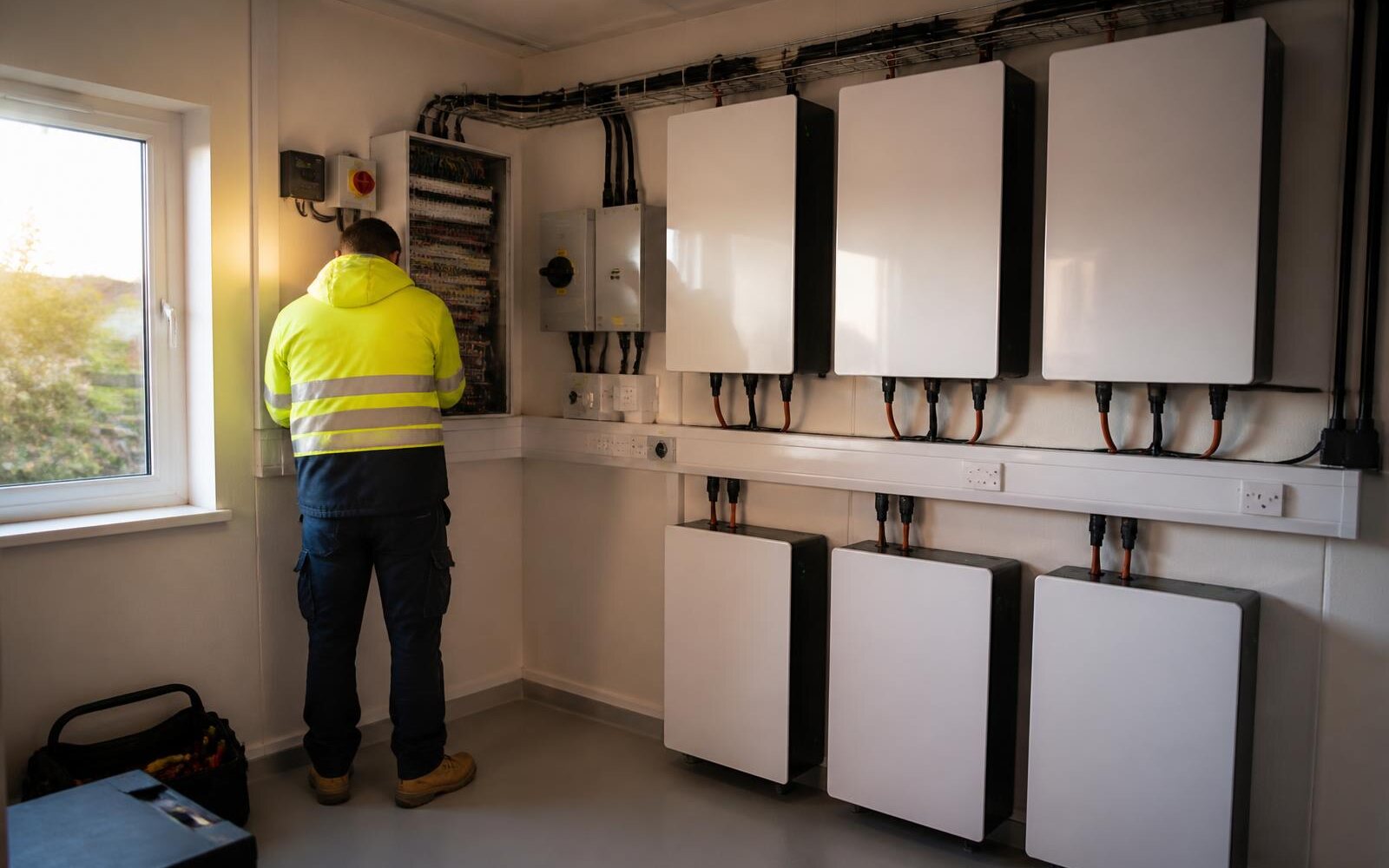
Battery storage and inverter retrofit
A worked example of adding storage to an existing array so generation produced outside working hours is used on site instead of exported at a low rate.
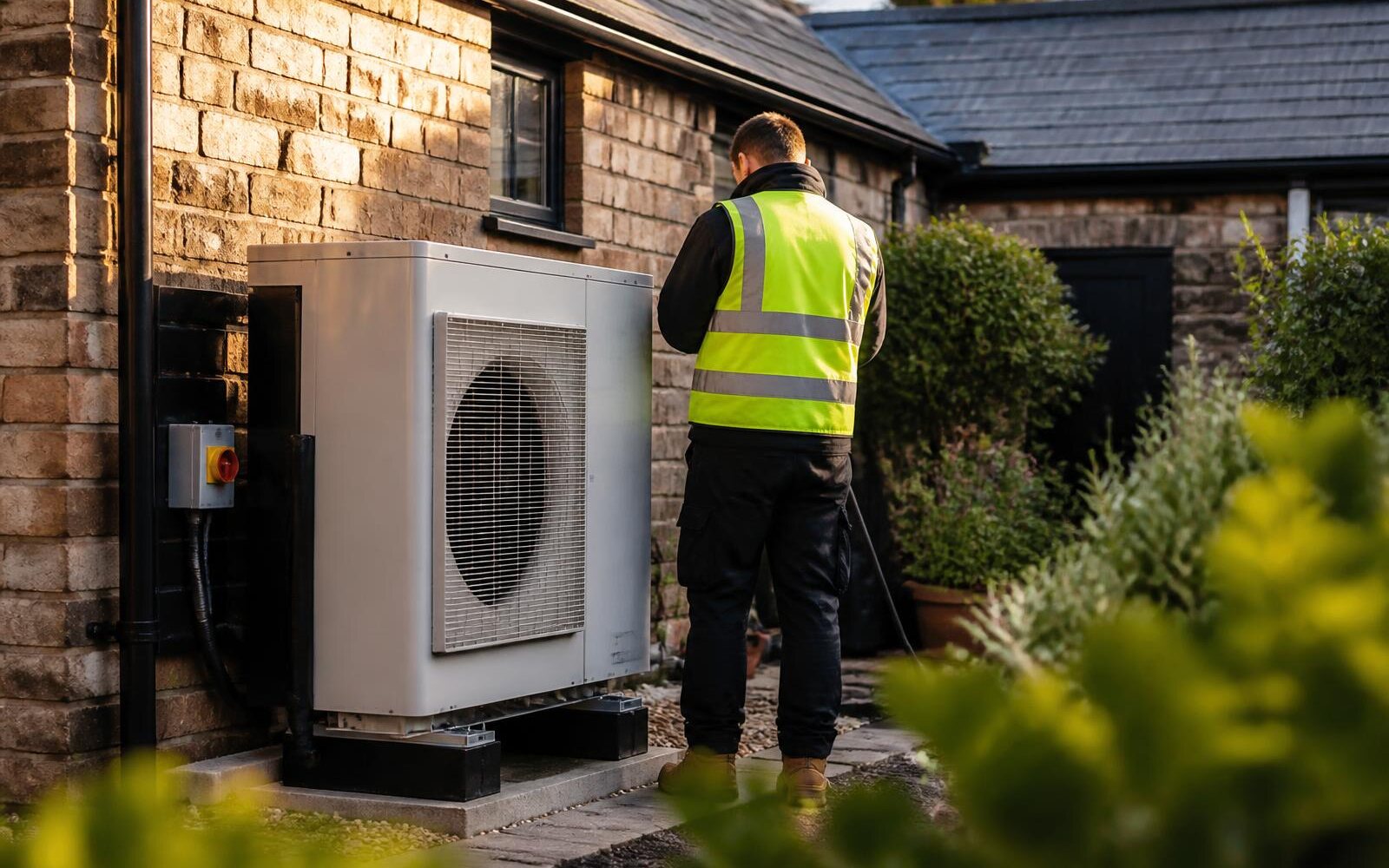
Read the write-up DomesticAir source heat pump with EV charging
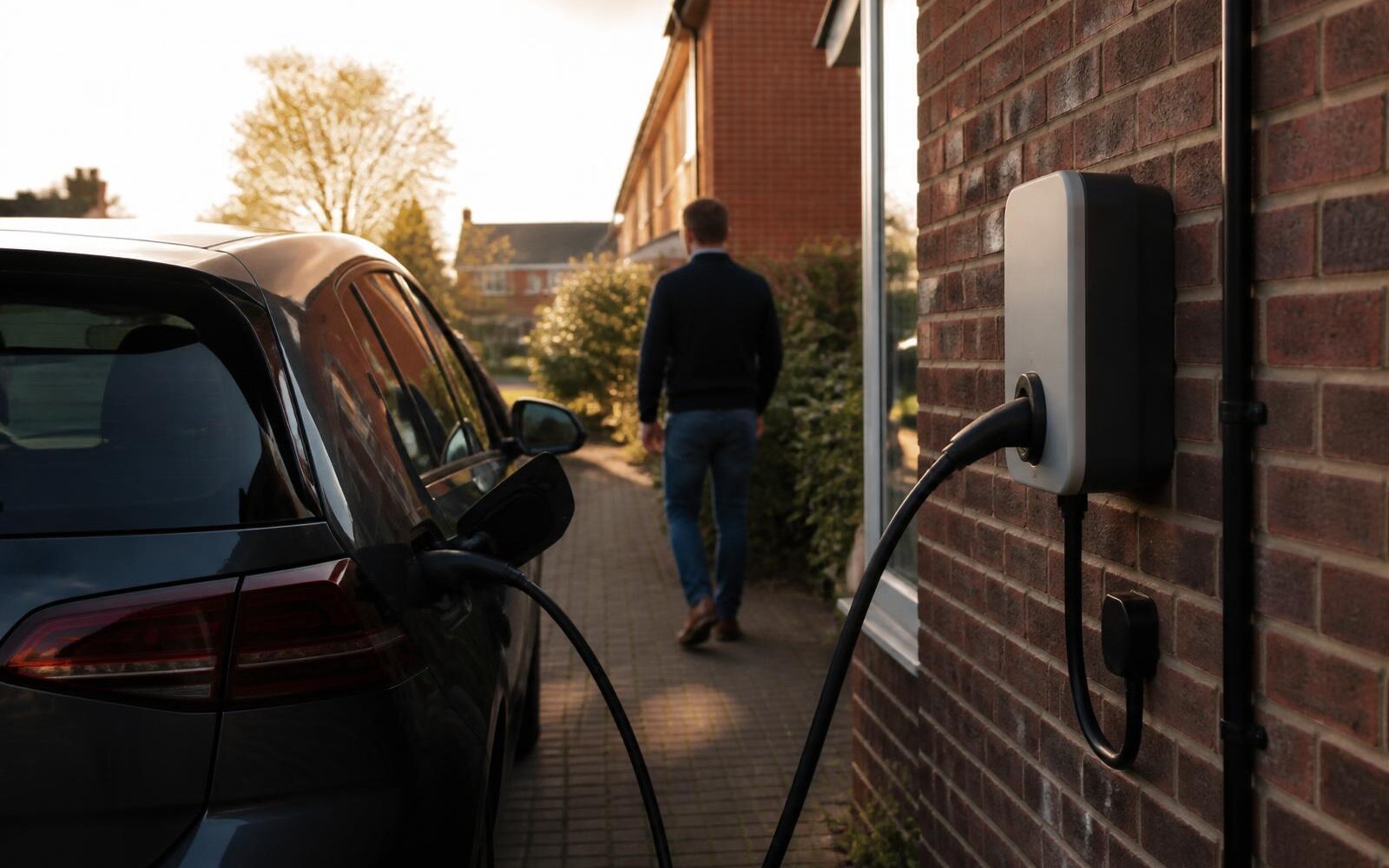
A worked example showing heat pump, charge point and controls specified together so the incoming supply is never the limiting factor.
Read the write-upKeep going
Services used on this project
Planning something similar?
Book a free assessment and we will tell you what is worth doing on your building, and what isn't. Deposits are only paid once you have accepted a written proposal.